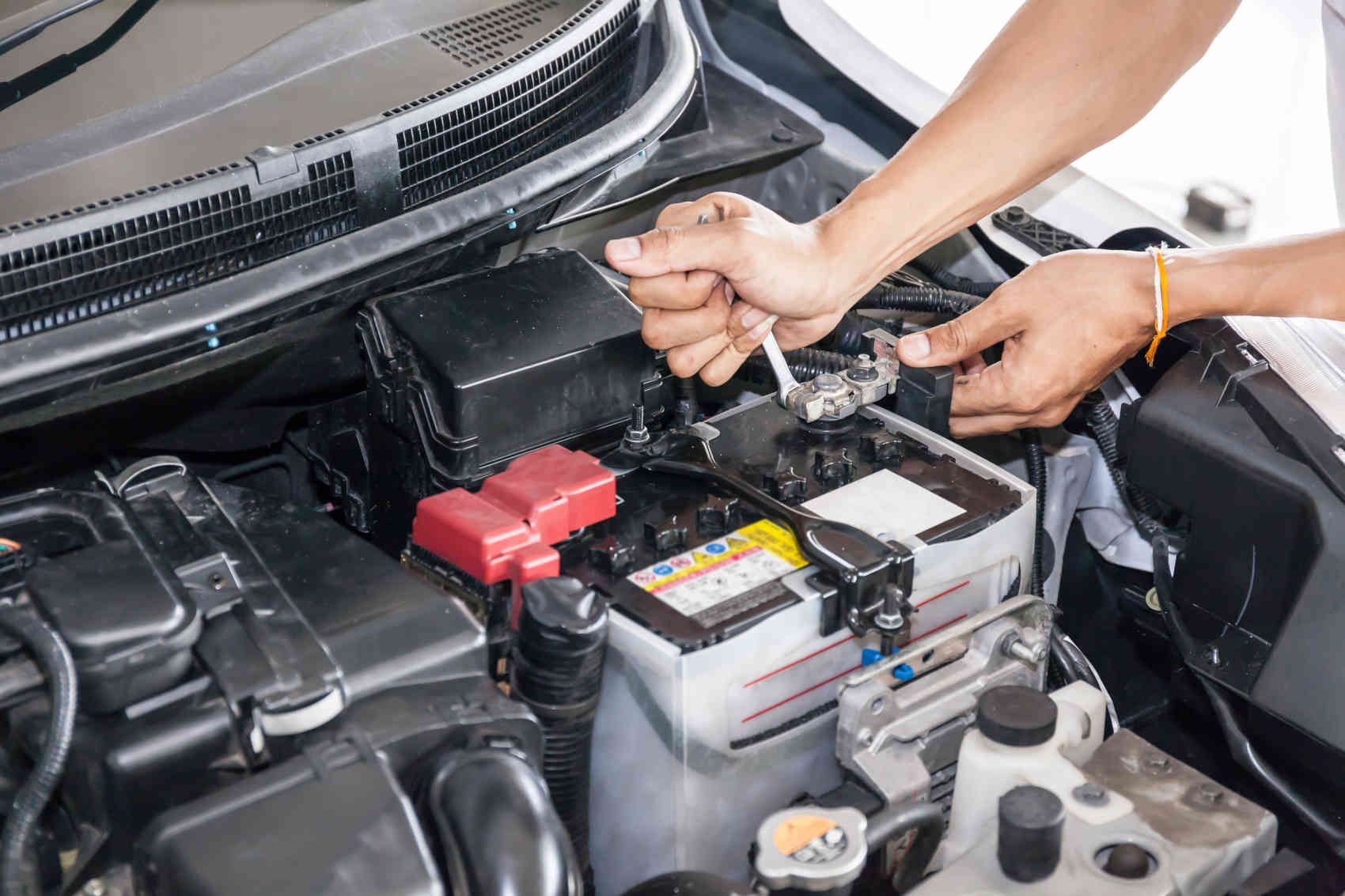
Check your car battery: Signs of wear to watch for

batterie voiture

batterie voiture

Check Your Car Battery: Signs of Wear to Watch For

As a vehicle owner, you should regularly perform maintenance and check-ups on various mechanical parts. Your car’s battery is one of these important components to monitor. Do you think your car battery is showing signs of failure but aren’t sure? Or do you believe it might be time to check your car battery? In this article, discover the signs of wear to watch for on your car battery.


Main Signs of Wear on Your Car Battery

Your car battery provides the energy needed to start the engine, power the headlights, windshield wipers, dashboard, and all electronic accessories. The main indicators that your car battery is beginning to wear out include:

  • Difficulty Starting the Engine

One of the first symptoms of a faulty battery is a slow or laborious engine start. If you hear the engine “coughing” or turning more slowly than usual when you turn the key or press the start button, it means the battery can no longer deliver enough current to properly turn the starter.

  • Underperforming Electrical Accessories

A worn-out battery can no longer supply sufficient current to all vehicle accessories. You might notice that the headlights are dimmer or flicker slightly, power windows move more slowly, the audio system malfunctions, or the interior ventilation is less effective.

  • Battery Warning Light On

Your car dashboard has several warning lights, one of which represents a small battery. If it lights up while driving, it means your vehicle’s charging system has detected a problem. This could be related to the battery itself, but also to the alternator or voltage regulator.

  • Swollen Battery

A damaged battery may have a swollen, cracked, or deformed casing. This can result from overheating or overcharging. Additionally, any leaking fluid (acid) around the terminals or on the battery itself can damage other components.

  • Sulfur or Rotten Egg Smell

An unpleasant sulfur smell (similar to rotten eggs) can indicate a sulfuric acid leak. This often results from overcharging the battery or an internal malfunction.

  • Old Battery

Even if your car seems to function normally, a battery older than 4 or 5 years is considered at the end of its life. The average lifespan of a car battery typically ranges from 3 to 6 years, depending on usage, climate conditions, and maintenance.


Pneus Groupe Unik: Specialists to Check Your Car Battery

Have you noticed some of the symptoms mentioned above? You may need to have your car battery checked for signs of wear. Schedule an appointment with the certified mechanics at Pneus Groupe Unik. These experts can perform a quick diagnosis and advise you on the next steps to ensure safe and worry-free driving.

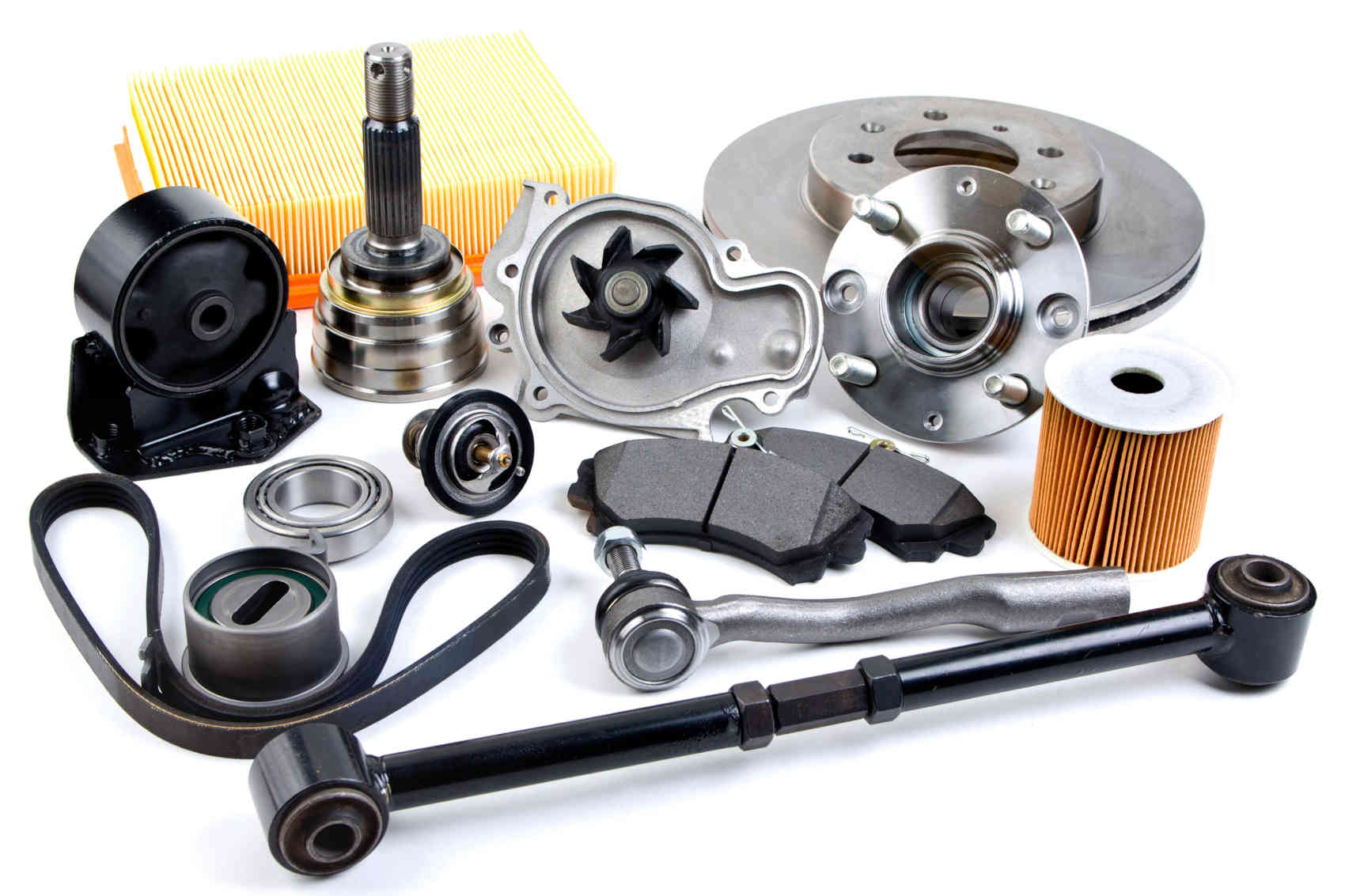
10 essential car parts to monitor and replace

remplacer pièces voiture

remplacer pièces voiture

The benefits of entrusting your tire storage to professionals

Do you want to keep your vehicle for many years to come? One of the best ways to do that is through regular maintenance. Some mechanical parts are essential for your car’s performance, safety, and longevity, and they need to be monitored and replaced at the right time. Wondering when it’s time to replace a car part? Find out in this article, with advice from our general mechanics experts.


10 parts to replace in your car

  • Timing belt

The timing belt synchronizes the engine’s movement by coordinating the opening of valves and the movement of pistons. If it breaks, it can cause serious engine damage. It’s recommended to replace it every 100,000 to 160,000 km, depending on the manufacturer’s guidelines.

  • Air filter

The air filter prevents impurities from entering the engine. A clogged filter reduces engine efficiency and increases fuel consumption. It should be replaced every 20,000 to 30,000 km.

  • Brake pads

Brake pads are essential for slowing down or stopping the vehicle. They naturally wear down with each use. Excessive wear can damage the brake discs and increase stopping distances, raising the risk of accidents. Depending on your driving habits, they should be changed every 30,000 to 70,000 km.

  • Battery

The battery powers the electrical system and starts the engine. It typically lasts between 3 to 5 years. A failing battery can also affect other electronic systems.

  • Spark plugs

Spark plugs generate the spark needed for combustion in gasoline engines. Weak sparks can cause hard starts, engine misfires, increased pollution, and higher fuel consumption. They should be replaced every 50,000 to 150,000 km.

  • Shock absorbers

Shock absorbers ensure vehicle stability and driving comfort by absorbing road irregularities. They should be inspected every 80,000 to 100,000 km. Not replacing them may lead to loss of grip, premature tire wear, and longer braking distances.

  • Coolant

Coolant regulates engine temperature to prevent overheating. It loses its properties over time and should be flushed every 2 to 5 years depending on the vehicle. Failing to do so may cause overheating, internal corrosion, and major breakdowns.

  • Fuel filter

The fuel filter prevents impurities in the fuel from reaching the engine, which is especially important to protect the injectors. It should be replaced according to the manufacturer’s schedule. If not replaced, it can clog the fuel system, reduce engine power, cause difficult starts, and more.

  • Cabin filter

The cabin filter cleans the air entering the vehicle interior. It’s essential for the health of passengers. A worn-out filter can cause stale air inside the car, persistent fog on windows, or even allergies. Replace it every 15,000 to 25,000 km.

  • Wiper blades
    Often overlooked, wiper blades are crucial for visibility in bad weather. They should be changed every 12 months.


Pneus Groupe Unik: the specialists for replacing your car parts

To replace the parts in your car and extend its lifespan while ensuring peace of mind on the road, trust the professionals at Pneus Groupe Unik in Dorval. hese specialists guarantee safe and smooth driving by replacing the necessary components in your vehicle as part of preventive maintenance.

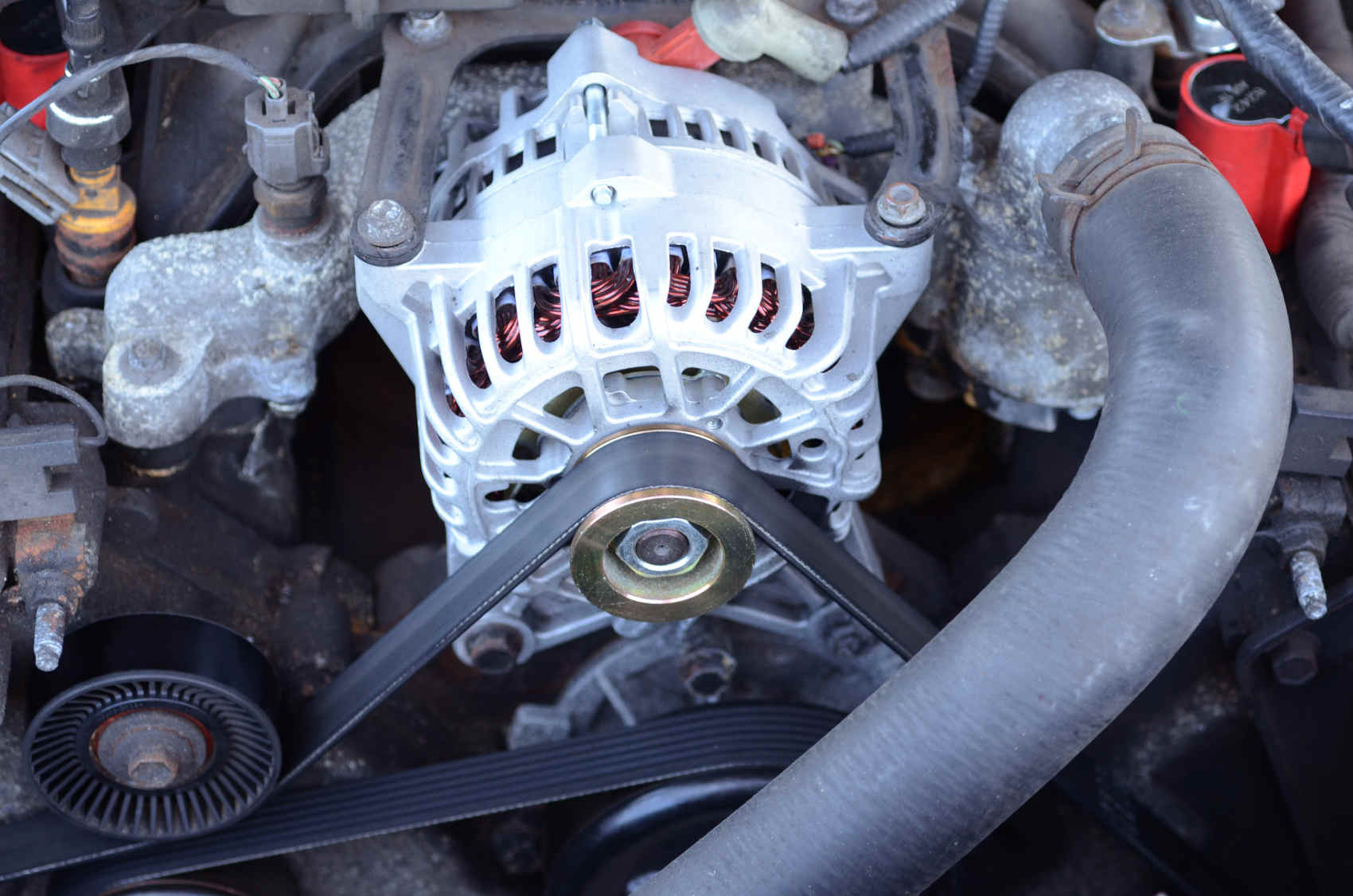
Signs your alternator needs changing

alternateur voiture

alternateur voiture

Signs Your Alternator Needs Changing

The alternator is a vital part of your car’s electrical system. It is responsible for generating electricity to power the vehicle’s electrical components while also recharging the battery while the engine is running. If your car’s alternator starts to fail, it can cause a range of problems, some serious and some not. Knowing how to recognize the warning signs of a faulty car alternator allows you to take action in time to avoid costly repairs. Discover the most common signs that your alternator needs to be replaced.


Symptoms of a Failing Car Alternator

A battery that discharges quickly

The battery provides the electricity to start the engine, but it’s your car’s alternator that recharges it once the engine is running. If the alternator isn’t working properly, the battery won’t charge as it should. This can lead to a rapid discharge even if the battery is in good condition or starting problems. 

A dashboard warning light

Modern vehicles have a battery-shaped indicator light on the dashboard, or sometimes an “ALT” or “GEN” indicator. If this light comes on while you are driving, it indicates a problem with the charging system, including the alternator. 

Dim or flickering lights

One of the most obvious signs of a failing car alternator is inadequate lighting. Headlights may become dim or flicker when the alternator is not producing enough current. 

Unusual noises

A  faulty car alternator  can produce abnormal noises under the hood. If you hear a grinding or whining noise, it could be due to a worn alternator belt or a faulty internal bearing. The grinding noise may become louder when you use electrical accessories, such as the windows or windshield wipers.

A smell of burning

A burning smell coming from the engine compartment is another sign that your alternator is damaged. This smell is often caused by an overloaded alternator belt or electrical cable. If you smell an unusual odor, it is important to have your electrical system checked immediately to prevent more serious damage.

Malfunctioning accessories

The alternator powers many of your vehicle’s accessories, such as the air conditioning system, heated seats, radio and power windows. If you notice these items malfunctioning, suddenly cutting out or not responding as usual, it could be a sign that the alternator isn’t producing enough electricity to power all of the systems simultaneously.


When to replace your car’s alternator?

If you have noticed one or more of the signs mentioned above, it is essential not to wait to have your alternator checked. A car alternator in poor condition can quickly lead to total failure. In general, an alternator has a lifespan of 7 to 10 years or between 100,000 and 150,000 kilometers, but factors such as excessive electrical loads or harsh driving conditions can wear it out prematurely.

If you notice any problems with your electrical system, consult the professionals at Pneus Groupe Unik in Dorval. These specialists accurately diagnose the problem and, if necessary, replace your car’s alternator to ensure you have a safe and peaceful drive.

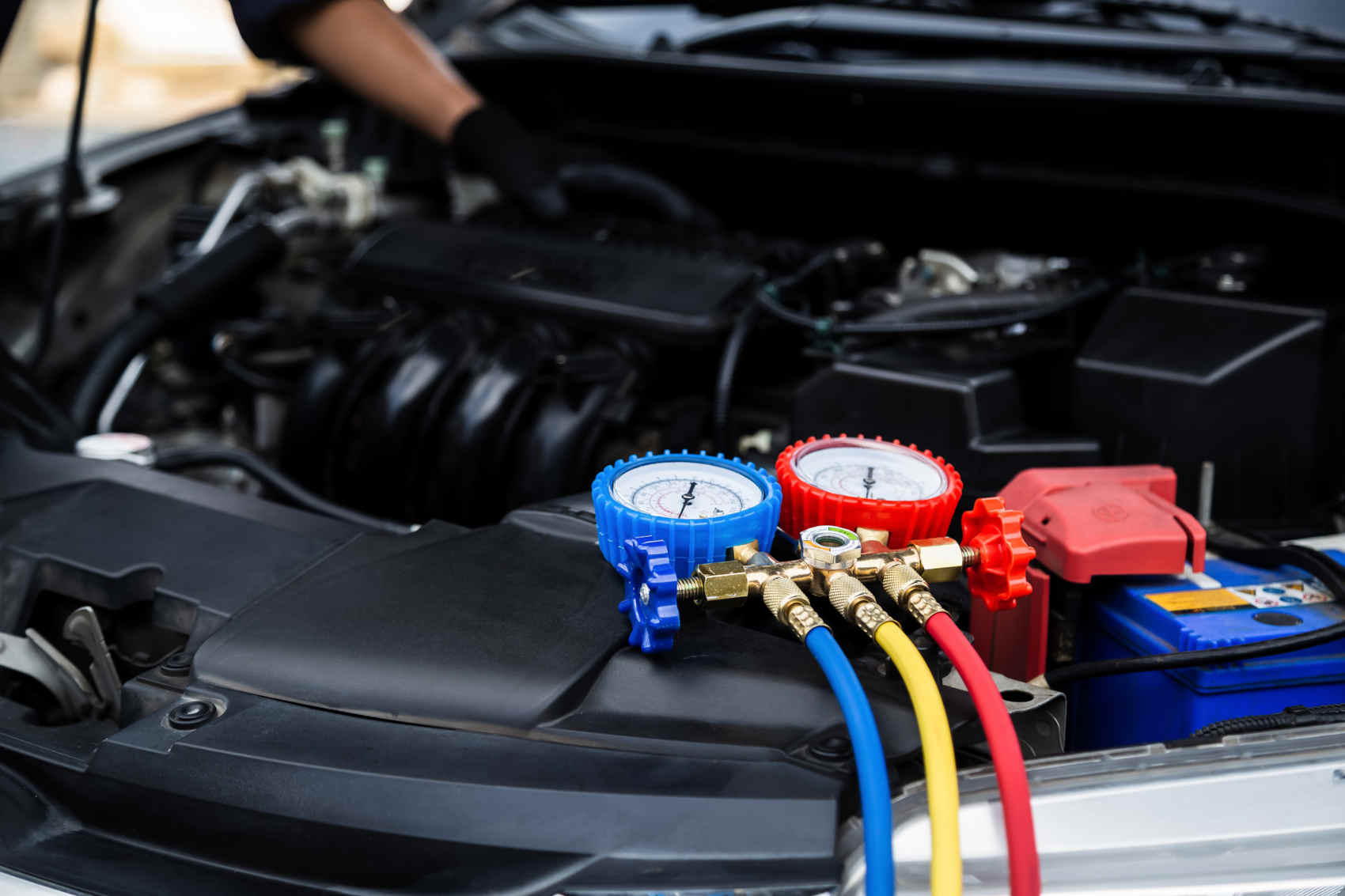
Car air conditioning: What you need to know!

Climatisation automobile

Climatisation automobile

Car Air Conditioning: What You Need to Know!

When summer comes, as a driver or passenger of a vehicle, you most certainly appreciate the air conditioning in the car. Indeed, car air conditioning offers you a comfortable and pleasant environment, especially on hot days. Discover in this article everything you need to know about car air conditioning.


Your car’s air conditioning in detail

Automotive air conditioning is a system designed to regulate the temperature and humidity inside a vehicle by using a refrigeration cycle to cool the air in the passenger compartment. So, the process begins with the compressor, often considered the heart of the system, which compresses a gaseous refrigerant, increasing its temperature and pressure. The hot gas is then sent to the condenser, where it is cooled by the outside air, turning into a liquid under high pressure. This liquid then passes through an expansion valve, where its pressure drops sharply, cooling it further. Then, the cooled liquid circulates through the evaporator, a heat exchanger located inside the dashboard. The hot air from the passenger compartment is blown through the evaporator, where it loses its heat to the cold refrigerant, which absorbs this heat and returns it to the compressor as a gas to start the cycle again.

The air conditioning system in a car can be controlled manually or automatically, depending on your vehicle’s configuration. Modern systems are often integrated with climate control systems that automatically adjust the interior temperature to your preferences.

For the air conditioning to function optimally, you should carry out regular maintenance at a professional garage. This includes checking the refrigerant level, replacing the cabin air filters and inspecting the belts and connections. In addition, the compressor should be used regularly, even in winter, to prevent it from seizing up.


Signs of a faulty car air conditioning

A faulty car air conditioner can quickly become a major discomfort, especially in hot weather. It is therefore important to recognize the warning signs of a malfunction to avoid costly repairs. The main ones are:

  • Air not cooled enough 

One of the first signs of a problem is air blowing out of the vents that isn’t as cold as it should be. This could indicate a lack of refrigerant, a failing compressor, or a problem with the evaporator.

  • Unusual noises 

Unusual noises, such as clicking or grinding, when you turn on the air conditioning often indicate a dying compressor or loose internal parts.

  • Bad smells 

If the air coming out of the air conditioner smells musty or burning, this is a sign of mold in the system or overheated electrical components.

  • Low airflow 

If you notice that the airflow is weak, even at maximum power, this could indicate a problem with the fan, a clogged cabin air filter, or blocked ducts.

  • Refrigerant leaks 

Oil stains under the vehicle or greasy liquid around the air conditioning components indicate a refrigerant leak, which will affect cooling capacity.


Do you want to service your car’s air conditioning? Do you want to check that your car’s air conditioning is in perfect working order? Make an appointment with the professionals at Pneus Groupe Unik in Dorval. They offer you quality service at a competitive price for your car’s air conditioning.

How important is it to do an oil change?

changement d'huile

changement d'huile

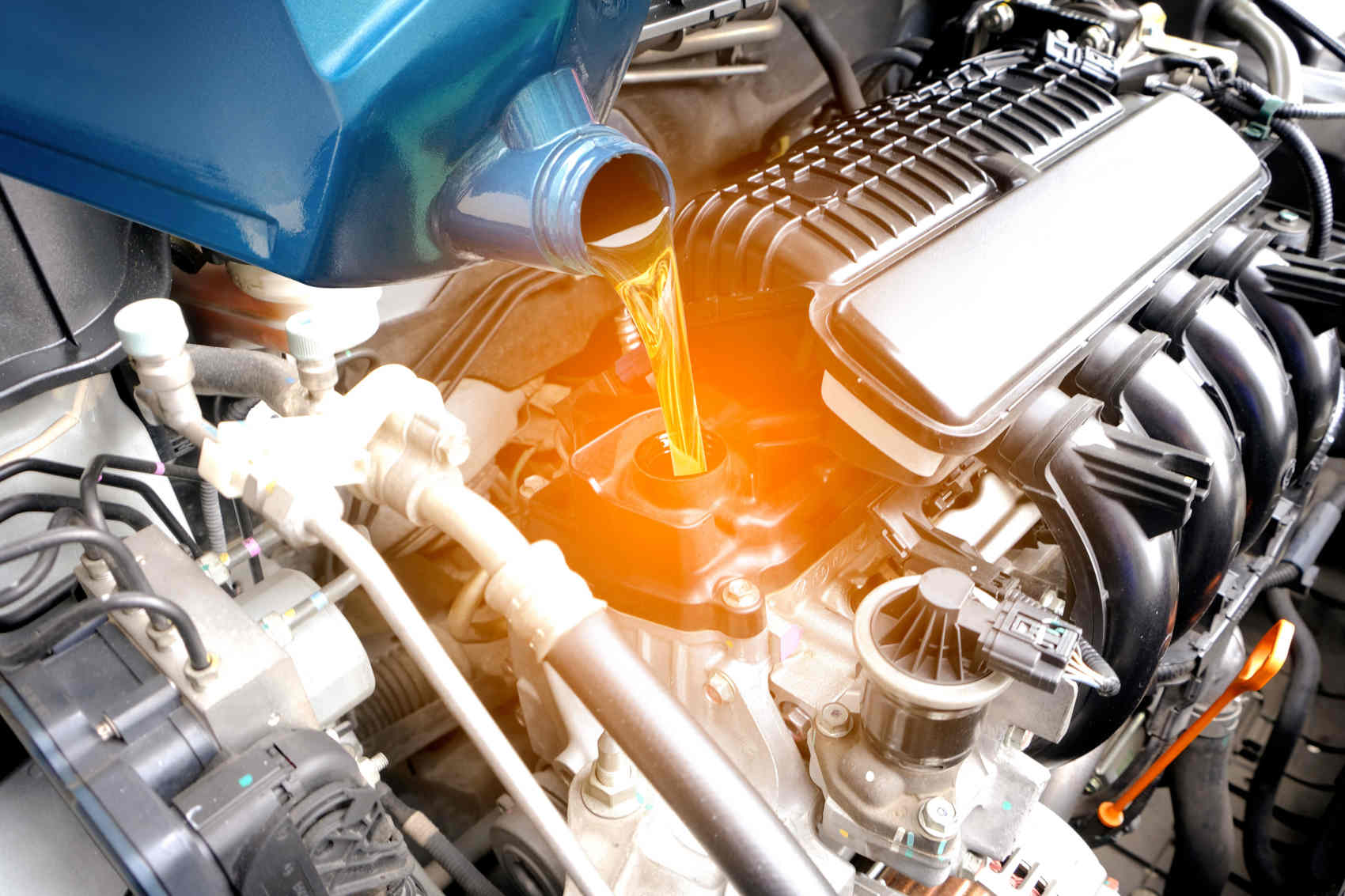
How important is it to do an oil change?

As the owner and driver of a vehicle, you know that you must regularly carry out a certain number of checks and maintenance in order to maintain your driving comfort as well as your safety, that of your passengers and other road users. Changing the engine oil in your vehicle is one of these different car maintenance tasks to be done punctually in a professional garage. But is changing the engine oil really that important? The answer in this article.

Why change engine oil?

To save you a lot of money on major repairs and help keep your vehicle running smoothly for many years to come, it is recommended that you change your engine oil every 6,000 to 8,000 kilometers, depending on the type of vehicle, the type of oil used, and driving conditions. Skipping an oil change on your vehicle causes dirt and contaminants to build up in the engine, leading to premature wear and costly damage.

Even if you do few kilometers per year, it is still recommended to do two oil changes per year, generally every season at the same time as changing your tires. In addition, if your vehicle is rented, you must change the oil according to the manufacturer’s recommendations in order to maintain the warranty on it.

The Importance of Changing Engine Oil

Changing your oil is one of the most crucial aspects of regular vehicle maintenance, here’s why:

  • Lubrication of engine parts . The main role of oil is to lubricate the moving parts of the engine, such as pistons, valves and camshafts. This reduces friction between these parts and thus prevents premature wear.
  • Engine Cooling . Oil also helps dissipate heat produced by the engine by circulating it through it. An engine running at excessive temperatures can quickly become damaged, and quality oil can help maintain optimal operating temperatures.
  • Engine Cleaning . Oil acts as a cleaning agent by picking up dirt, dust and carbon particles that build up in the engine over time. When the oil is changed, these impurities are flushed out, helping to keep the engine clean and efficient.
  • Corrosion Prevention . Engine oil contains additives that help protect the metal parts of your engine from corrosion. Changing your oil regularly helps prevent the buildup of contaminants that could accelerate corrosion and damage your engine.
  • Improving performance . Regular oil changes help maintain optimum engine performance and help extend engine life.

Do you want to change the engine oil on your vehicle in a professional garage? Make an appointment with the experts at Pneus Groupe Unik in Dorval. They offer you quality service at a competitive price to change the engine oil of your vehicle quickly and efficiently.

How to detect suspension problems in your car?

problème de suspension

problème de suspension

How to detect suspension problems in your car?

You own a vehicle, whether it is new or several years old, you must ensure for your safety and comfort, that it is functional and in good condition. This is why you must regularly maintain and review several elements such as brakes, tires, suspension system, etc. But do you know how to detect a shock absorber or suspension problem on your car?

What is the purpose of a vehicle’s suspension?

The main purpose of a car’s suspension is to optimize driving comfort, stability and safety by absorbing road shocks and ensuring adequate wheel grip. In addition, it helps to distribute the weight of the car evenly across all four wheels, which is important for maintaining the balance of the vehicle, which also influences the distribution of braking and acceleration. A well-tuned suspension contributes to more predictable handling and better vehicle maneuverability. Thus, a good suspension system is essential for a pleasant and safe driving experience.

Your vehicle’s suspension system is made up of many parts, the two main ones being the suspension springs and shock absorbers, as well as the bellows, steering knuckle, control arm, ball joints, hydraulic fluid, etc.

How to detect a suspension or shock absorber problem?

Detecting a shock absorber or suspension problem in a car can be done by paying attention to certain signs and symptoms. Here are the main ones:

  • Excessive shaking

If your car seems to bounce excessively after hitting a bump or unevenness in the road, this indicates problems with the shock absorbers or suspension springs.

  • Unusual noises

Noises such as clicking, grinding or clunking while driving, especially when cornering or going over bumpy roads, are often signs of a suspension problem.

  • Excessive leaning when cornering

If your vehicle appears to lean excessively when cornering, this may indicate stability issues with the suspension.

  • Uneven tire wear

Uneven wear on the inside or outside edge of tires is often the result of poor suspension.

  • Unstable or difficult steering

If the steering feels unstable, the car pulls to one side unexpectedly, or the steering becomes harder to maneuver, this is often related to faulty suspension.

  • Abnormal vibrations

Unusual vibrations through the steering wheel or chassis of the car are commonly a sign of bad suspension.

If you notice any of these signs, it is recommended to have your suspension system inspected by an automotive professional. A well-maintained suspension is essential for the safety and proper operation of your vehicle. As a general rule, it is recommended to have the entire suspension system inspected on a vehicle every 20,000 km. Therefore, regular maintenance and prompt repair of a suspension problem or shock absorber problem will help ensure a safe and comfortable ride.

Do you think you have a shock absorber problem on your vehicle? Make an appointment with the team of experts at Pneus Groupe Unik in Dorval. They perform a thorough inspection and all necessary repairs to the suspension system on all types of vehicles with professionalism.

Signs of a faulty transmission

transmission défectueuse

transmission défectueuse

Signs of a faulty transmission

As the owner and driver of a vehicle, whether it is new or used and regardless of its model (city car, SUV, 4×4, van, sports car, etc.), you are well aware that it can break down or show signs of malfunction. So to ensure your safety, that of your passengers and other road users, when you drive, you must be able to distinguish certain abnormal symptoms and have your vehicle checked in a professional garage . Indeed, ignoring these signals can lead to more significant damage and higher repair costs in the long term. Among the important mechanical elements ensuring the proper functioning of a vehicle, the transmission plays a crucial role. Discover, in this article, the main symptoms of a faulty transmission.

What is a vehicle’s transmission?

A car’s transmission is a vital component of its mechanical system that helps transfer the power generated by the engine to the wheels, allowing the vehicle to move. The transmission plays a key role in controlling the speed and direction of the vehicle. This system is made up of several mechanical parts including the engine, gearbox, clutch, driveshafts, differential, fluids, and others. There are different types of transmissions depending on the type of gearbox, but the two main ones are manual and automatic transmissions.

Signs of a faulty transmission

There are many signs that indicate a transmission problem , here are the most common ones:

  • Transmission slippage

If your vehicle loses power when accelerating or has difficulty maintaining speed, it is likely due to the transmission “slipping” or “slipping” instead of locking properly. In this case, you may also feel your vehicle’s engine turning freely without resistance or shifting into neutral on its own.

  • The jolts

If you have trouble shifting your vehicle into forward or reverse, or if you feel resistance when trying to shift gears, or if your transmission has trouble shifting smoothly, you will experience jerking or jerking when accelerating or shifting gears.

  • Unusual noises

Abnormal noises such as clicking, grinding, whistling or humming coming from the transmission may indicate a malfunction. These noises may be the result of worn gears, faulty bearings or other failing components.

  • A transmission fluid leak

If you notice bright red fluid spots underneath your vehicle, this could indicate a transmission fluid leak. This can cause the transmission to overheat and cause operating problems.

  • A nauseating smell

If you smell something burning while driving, your vehicle’s transmission is likely overheating.

  • Transmission indicator light on

If the transmission light (usually labeled “Check Engine” or “Transmission” on the dashboard) comes on, this could be an indicator of a transmission problem.

If you have noticed any of the signs of a transmission problem listed above, you should have your vehicle inspected by a qualified and professional mechanic. Make an appointment with the experts at Pneus Groupe Unik in Dorval. These transmission specialists will carefully examine your vehicle and perform a complete analysis in order to repair your faulty transmission at the best quality/price ratio.

What you need to know about preventative car maintenance

Entretien préventif automobile

Entretien préventif automobile

What you need to know about preventative car maintenance

Whether you have owned a vehicle for many years or have just purchased a new model, you must take care of it by regularly carrying out its mechanical maintenance in order to avoid breakdowns. Preventive car maintenance is a series of regular measurements and checks carried out on your vehicle to ensure its proper functioning, extend its lifespan, avoid costly repairs and allow you to drive safely. In addition, if you own a new vehicle, you are required to carry out regular maintenance at the dealership or in a professional garage in order to assert the manufacturer’s warranty on it.

Indeed, with the accumulation of mileage over time, various mechanical parts are subject to wear and require regular maintenance to be carried out in a professional garage to function properly. However, some preventive car maintenance can be done by yourself, as it does not require mechanical knowledge or special equipment. To help you better preserve your vehicle, here is everything you need to know about preventive car maintenance.

Preventative car maintenance: What you need to know

The frequency of maintenance of your vehicle
It will vary from one vehicle model to another and it may depend on the mileage traveled or the time it has been on the road. However, you will have to take into consideration the first case that occurs. Certain elements will influence the frequency of preventive maintenance such as road and weather conditions (traffic jams, city traffic, snow, ice, extreme temperatures, sand, etc.) or your driving style (sudden acceleration, sudden braking, transporting heavy loads, towing, etc.).

Typically you will need to do:

  • Light maintenance, every 6 months or between 6,000 and 8,000 km
  • A more thorough overhaul every year or between 16,000 and 24,000 km
  • Major maintenance when your vehicle reaches 100,000 km

The main preventive maintenance to be carried out in a professional auto garage

Most preventative maintenance on your vehicle should be performed by qualified and certified professionals.

Tires and oil change
In Quebec, by law, you must have equipped your vehicle with winter tires at least between December 1 and March 15. Thus, for good grip on the road and to ensure safe driving, you must change your tires twice a year, and have the professional mechanic check the level of wear. Many general mechanics garages also offer various tire services such as sales, installation, alignment, balancing and storage service in their heated garage.

You can also take advantage of your two visits per year to change your tires at a garage to have your vehicle’s 6-month service carried out at the same time in order to optimize its operation and preserve the components of your engine. This generally includes changing the oil and filter, checking the various fluids such as the coolant, checking the brake disks and pads, visually inspecting the exhaust system, suspension and steering.

The brake system
Your vehicle’s braking system must be in perfect working order at all times, as it ensures your safety on the road. In addition to regular checks of the brake disks and pads, you must therefore carry out general maintenance every year, which includes cleaning, lubricating and adjusting various parts. Apart from these maintenance operations, if the brake pedal seems abnormally soft or hard, if you hear a strange noise or feel a vibration in the steering wheel when you brake, do not hesitate to have your vehicle checked by a professional garage in order to prevent any risk of accident.

Check every year or between 16,000 and 24,000 km

  • Wheel alignment.
  • Cleaning the air conditioning system condenser.
  • Visual inspection of the suspension, steering and exhaust system.
  • Replacing the air filter and pollen filter also called cabin filter every 10,000 km in urban areas and 25,000 km in rural areas.
  • Checking engine fluids and topping off.
  • Automatic transmission inspection.

The 100,000 km service
When your vehicle reaches 100,000 km, you will need to perform major preventative maintenance on several important mechanical components and change them as needed, such as the fuel injectors, timing belt, ignition cables and the gearbox oil will need to be changed.

Small revisions that you can do yourself

To ensure that your vehicle is operating properly and performing well, you can regularly carry out relatively simple checks yourself, such as:

  • Check the windshield washer fluid level and refill it frequently. Windshield washer fluid is very useful especially in winter to improve your visibility of the road.
  • Check the oil and coolant level.
  • Check tire air pressure and wear.
  • Inspect your wiper blades for wear, especially in the fall when the sun and heat tend to dry out the rubber on the blades, and replace them if necessary.
  • Make sure that your lighting and signaling lights are working properly. Be aware that if you have a burnt-out bulb on your vehicle, it is a traffic violation and is punishable by a fine.
  • Check that the air conditioning and heating system are working properly
  • Check the battery condition. If you see verdigris, clean it to avoid starting problems.
  • Wash your vehicle regularly inside and out, including in winter. This way, you will have better visibility on the road if the optical globes of your headlights and the windows of your vehicle are clean.
  • Make sure to always keep your fuel tank at least a quarter full when temperatures drop below freezing. This will prevent condensation and freezing from causing a lot of damage.

For quality preventive car maintenance or to repair all the components of your vehicle or to change your tires every season, you can trust the expert mechanics of Pneus Groupe Unik in Dorval! Make an appointment now!

Exhaust silencers: Everything you need to know about the regulations

Silencieux d'échappement

Silencieux d'échappement

Exhaust silencers: Everything you need to know about the regulations

If you are interested in car mechanics and you own a vehicle, you are undoubtedly familiar with the different parts that make it up. Whether it is the engine, the steering, the brakes, the wheels or the exhaust system, each of the mechanical components of a car has a technical feature to ensure a comfortable and safe drive. Do you know exactly what an exhaust muffler is on a car? What is its role? What are the signs of a faulty exhaust muffler? And above all, are you aware of the regulations that govern the noise of a car’s exhaust? Find out in this article everything you need to know about the exhaust muffler and the regulations that govern it.

What is an exhaust muffler?

An exhaust muffler is an important part of a motor vehicle’s exhaust system. Its role is to reduce the noise level of the exhaust gases emitted by the engine, thereby promoting quieter engine operation. Thus, it is designed and installed so that the noise produced by the vehicle is not excessive or abnormal. It is therefore the entire exhaust system that ensures the proper operation of your vehicle by evacuating the gases produced by the engine to the outside and reducing the noise produced by it. Thus, the exhaust system is made up of various elements including the collector that collects the exhaust gases at the engine outlet, the exhaust pipes formed of heat-resistant metal tubes that transport the exhaust gases, the catalytic converter or catalyst that converts harmful gases (carbon monoxide, nitrogen oxide, etc.) into water vapor and nitrogen, the muffler and the exhaust hose that protects the system from vehicle vibrations.

The exhaust muffler is typically made of a metal housing that contains various internal components designed to dampen the noise produced by the exhaust gases. These components may include baffles that create turbulence to disperse and reduce sound waves, expansion chambers to allow for expansion and absorption of sound, and sound-absorbing materials such as fiberglass or rock wool to dampen sound vibrations.

In addition to reducing noise, a car’s muffler can also have other functions. In particular, it can contribute to the engine’s performance by promoting optimal exhaust flow and ensuring adequate back pressure. Some mufflers may also be equipped with catalysts, which are devices responsible for reducing the emissions of polluting gases in the exhaust gases. More modern mufflers also contain more absorbent materials to reduce noise even further.

What about the noise level produced by a car’s exhaust?

There are two cases in which the noise level emitted by a car’s exhaust system is too high compared to current standards and which can produce significant noise pollution.

1. Your car’s muffler is faulty

Since the exhaust system is placed under your vehicle, it is considerably exposed to road dirt (various debris, salt, sand, small rocks, etc.) and humidity. In addition, due to its function, it is constantly subjected to high temperatures and high pressures. It is therefore normal that after a certain number of kilometers, the age of your vehicle and the frequency of maintenance of the mechanical parts that you have carried out, the muffler of your car shows signs of wear and produces more noise than normal. Here are the main signs of a faulty car exhaust:

    • Abnormal or louder noises or metallic sounds coming from your vehicle’s engine or exhaust system.
    • A significant increase in your gasoline consumption.
    • Your vehicle seems less efficient and less powerful than usual.
    • The presence of blue or black smoke coming out of your car’s exhaust.
    • When you drive, you feel more vibrations inside your vehicle than usual.
    • You smell exhaust fumes in the cabin of your car.

2. You own a vehicle with a modified muffler

You can modify your original vehicle to give it a better appearance or to improve its performance. However, once all the modifications are completed, you are required to check with the SAAQ to ensure that your vehicle is safe and complies with the Highway Safety Code so that it can retain the right to drive on public roads.

By law, you are not allowed to modify the exhaust system to increase the noise level. However, many people own a vehicle with a muffler that deliberately makes much more noise than normal.

What the regulations say

In Quebec, the regulations concerning vehicle exhaust mufflers are defined by the Highway Safety Code. According to the current road vehicle safety standards:

  • “Every road vehicle must be equipped with an exhaust system in good working order and fitted with a muffler in working order.”
  • “The exhaust system must include all components provided by the manufacturer, including the manifold, pipes, muffler, brackets and fasteners.”
  • “The components of the exhaust system shall be securely fastened at the attachment points and no component shall exhibit any gas leakage at connections or from cracks or holes other than those provided during the manufacture of the exhaust system for the evacuation of condensation by the exhaust system manufacturer.”
  • “Any repair to one of these elements must preserve the same characteristics as those existing during its manufacture.”
  • “No part of the exhaust system shall be replaced, modified or removed in such a way as to make the system noisier than that installed when the road vehicle was manufactured by the manufacturer.”
  • “None of the exhaust system components may pass through the passenger compartment. The vehicle’s exhaust pipe outlet must not be located under the space reserved for occupants and luggage or under the emergency door. In addition, the exhaust pipe must not extend horizontally beyond the road vehicle by more than 15 cm.”

The decibel level permitted by law is 100 decibels when the engine speed is constant and it is 92 decibels when the engine is idling. The amount of fines for non-compliance with your vehicle’s exhaust system is between $200 and $300, but it can reach $1,000 in the event of a repeat offense or aggravating circumstances.

Do you want to know if your vehicle’s exhaust muffler is in perfect working order? Make an appointment with the professionals at Pneus Groupe Unik in Dorval. They offer you an efficient and reliable service for the inspection, maintenance and repairs of the exhaust system of all types of vehicles of all brands.

Mechanical repairs: Rights and obligations of a mechanic

Réparations mécaniques

Réparations mécaniques

Mechanical repairs: Rights and obligations of a mechanic

Having your vehicle repaired is very often expensive. So, if you have no knowledge of mechanics, you are certainly afraid that your mechanic will take advantage of it to make unnecessary repairs and thus inflate your bill. Therefore, it is important that you understand the rights and obligations of a mechanic when you entrust your vehicle to them for an inspection or mechanical repairs. If a mechanic does not respect its obligations, you may have legal recourse under the applicable laws to assert your rights. Indeed, in Quebec, you should know that the Consumer Protection Act provides certain mechanisms to prevent abuse during the mechanical repair of a car.
Discover in this article an overview of the rights and obligations of a mechanic in terms of mechanical repairs.

The rights of a mechanic during a mechanical auto repair

  1. The right to be paid for auto mechanical repair services rendered.
  2. In some cases, the mechanic has the right to hold the vehicle until full payment is made (section 179 of the Consumer Protection Act). However, there are three exceptions to this rule:
    • If the mechanic did not provide you with a written estimate before performing the work.
    • If the total invoice amount is higher than the appraisal price.
    • If the total amount of the invoice is higher than the price of the assessment with the additional amounts you have agreed to pay for additional repairs.
  3. The right to charge reasonable storage fees for vehicles not collected after repair.

The garage owner’s obligations for mechanical repairs

  1. The garage is required to provide a written estimate of the cost of all necessary work if it is estimated to cost more than $100 before proceeding with the repair (section 168 of the Consumer Protection Act). There are two exceptions to this rule: if you waive the estimate by writing a written and signed statement or if the repairs are free (covered by a warranty for example). The estimate must contain the following information:
    • Your full name and address
    • The name and address of the garage
    • The make, model and registration number of your vehicle affected by the work
    • The nature of the repairs and their total costs
    • If necessary, the type of part to be installed and its condition
    • The date of the assessment and its period of validity.
  2. Once you have accepted the estimate for the work, the garage cannot ask you to pay for additional repairs (section 172 of the Consumer Protection Act). Therefore, the professional is required to notify you of any additional repairs required and to obtain your consent before proceeding. As a result, you are entitled to refuse to pay the amounts for additional repairs that you have not accepted.
  3. The mechanic must guarantee all mechanical repair work on your car for 5,000 kilometres following the delivery date of your vehicle, or for the three months following this same date, depending on which event occurs first (section 176 of the Consumer Protection Act). In addition, the professional must guarantee that the repairs were carried out in accordance with the quality and safety standards in effect in the industry. Of course, this guarantee does not include damage that could result from improper use of your vehicle. The guarantee generally includes parts, labour and towing or breakdown costs. However, to benefit from it, you must do business with the professional who previously carried out the work.
  4. Unless you instruct us otherwise, the mechanic must install replacement parts of equivalent or superior quality to the original parts when carrying out the repair.
  5. The garage must return your vehicle in the same condition as before the repair. In fact, it is responsible for your vehicle when it is stored in the garage during the repair. The professional must therefore protect your car against theft and any damage it may suffer. In the event of a problem, the garage must repair your vehicle at its own expense to return it to you in the same condition. However, it is exempt from this liability if it can prove that it has not committed any fault or in the event of force majeure.
  6. The garage owner is required to keep all repair records for a period determined by current legislation.
  7. The mechanic is required to carry out repairs properly and in a professional manner. Otherwise, you may be able to obtain a refund of the amounts spent on the repairs. In this case, you could therefore take legal action against the professional even if the repairs were completed more than 3 months ago or if you have travelled more than 5,000 km.
  8. Once the repairs have been carried out, the garage must give you a detailed invoice when your vehicle is delivered, which includes in particular:
    • Your full name and address
    • The name and address of the garage
    • The make, model and registration number of your vehicle affected by the work
    • The number of kilometers displayed on your car’s odometer on the delivery date
    • The delivery date of your vehicle
    • The nature of the repairs carried out
    • If necessary, the type of part installed, its condition (new, used, refurbished, etc.) and its price
    • The number of hours of work that were billed, the hourly rate of labor
    • Taxes
    • The total amount you have to pay
    • The main features of the guarantee

Do you have a problem with your vehicle? So you think you need to have it inspected and repaired in a quality professional garage that complies with current standards? Make an appointment with the experts at Pneus Groupe Unik in Dorval. They offer you reliable and durable service, at competitive prices for the inspection, maintenance and mechanical repairs of all types of vehicles of all brands. In addition, they know and respect their rights and obligations.